Uneven skin tone can show up as dullness, dark spots, redness, or patchy areas that seem to linger longer with age. A balanced approach—barrier support, daily sun protection, and the right brightening and smoothing ingredients—helps skin look clearer and more consistent without overdoing it. Below is a simple, repeatable plan you can follow without constantly switching products, plus a realistic timeline so you can spot progress (and avoid the irritation traps that slow it down).
“Uneven tone” isn’t one problem; it’s a few common patterns that can overlap. Many people notice sun spots (lentigines), post-blemish marks (post-inflammatory hyperpigmentation), redness from sensitivity, and a general dull cast from slower cell turnover.
After 30, the drivers tend to stack up: cumulative UV exposure, a slower recovery curve after inflammation, hormonal shifts that can trigger pigment or breakouts, and a skin barrier that’s easier to disrupt. The goal isn’t to “strip” skin into submission—it’s to prevent new discoloration while gradually fading existing marks and improving how light reflects off the surface (smoothness plus hydration makes a bigger visual difference than most people expect).
For background on how UV contributes to visible aging, see this overview of photoaging from the National Center for Biotechnology Information (NCBI).
If your routine feels complicated, it’s usually because too many steps are trying to do the same job. This four-pillar structure keeps the focus clear.
| Pillar | Best for | What to prioritize |
|---|---|---|
| Protect | Preventing new dark spots and unevenness | Broad-spectrum SPF 30+ daily; reapply with outdoor exposure |
| Calm | Redness, sensitivity, post-blemish marks | Gentle cleanser, fragrance-minimized routine, ceramides/petrolatum as needed |
| Brighten | Dark spots, lingering discoloration | Vitamin C/niacinamide/azelaic acid/tranexamic acid (choose 1–2) |
| Renew | Dullness, rough texture, uneven tone | Retinoid or mild exfoliant on a schedule; avoid stacking too many actives |
Daily broad-spectrum sunscreen is the difference-maker for keeping discoloration from reappearing as quickly as you fade it. If you’re outdoors, reapplication matters just as much as the morning layer. The American Academy of Dermatology Association has practical sunscreen guidance that’s worth following closely.
Redness and stinging don’t just feel uncomfortable—they can keep marks hanging around. Keep cleansing gentle, avoid scratchy scrubs, and lean on barrier-supporting moisturizers (ceramides, glycerin, petrolatum where needed). When skin is calm, brighteners and retinoids are more tolerable and more effective.
Choose targeted ingredients that match your discoloration type. Vitamin C helps defend against oxidative stress and can brighten. Niacinamide supports barrier function and helps the look of blotchiness. Azelaic acid is a favorite for uneven tone plus redness-prone skin. Tranexamic acid can be helpful for stubborn discoloration pathways.
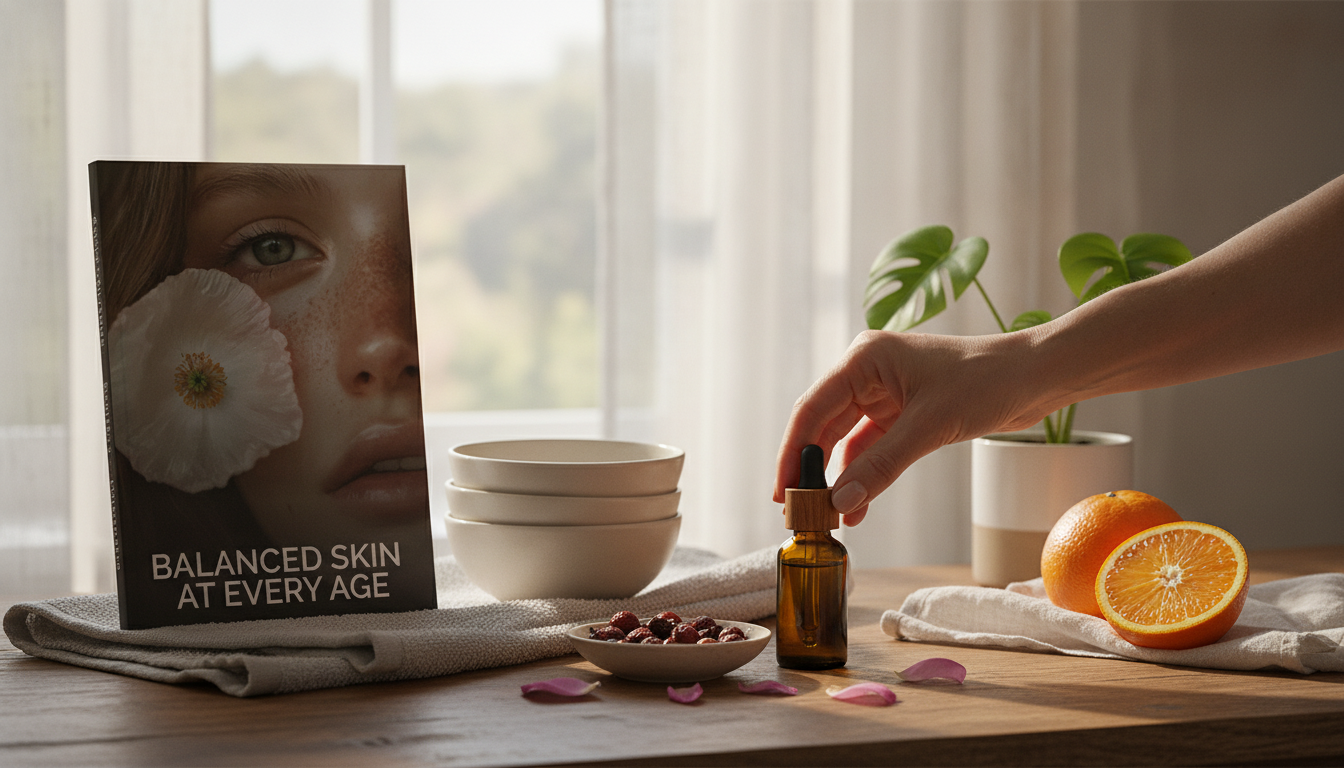
If you want a structured, step-by-step way to stay on track, use the Balanced Skin at Every Age digital skincare eBook to log your AM/PM steps, active nights, and irritation signals. Follow a “one change at a time” rule: introduce a new active, wait 10–14 days, then add the next step only if skin is comfortable.
After 30, discoloration tends to reflect cumulative sun exposure plus slower cell turnover and slower recovery from inflammation. The most effective approach is prevention (daily sunscreen) paired with gradual brightening and renewal that doesn’t irritate your barrier.
Many people notice early overall brightening in about 4–8 weeks, with more visible fading of established spots around 8–12+ weeks. Timelines vary by the depth/type of discoloration and how consistent you are with daily SPF.
Skipping sunscreen or using it inconsistently is the biggest reason spots keep returning. The runner-up is over-exfoliating—irritation can trigger more redness and lingering pigment, slowing the results you’re trying to speed up.













Leave a comment