
Sun damage builds quietly—through commutes, window light, errands, and “just a few minutes” outdoors. The goal isn’t perfection; it’s a set of repeatable habits that protect skin year after year while still enjoying daily life. When the routine is simple enough to run on autopilot, it’s much easier to stay consistent through seasons, travel, and busy weeks.
Sun exposure can show up in more ways than an obvious burn. Some changes are immediate, while others accumulate so gradually they’re easy to miss until they feel “sudden.”
The most effective plan is the one that actually happens on normal days. Aim for a few defaults that require minimal thought.
If simplifying your routine would help it stick, a compact reference can be useful. Consider keeping a quick checklist on your phone alongside your morning skincare steps—like the A Friendly Guide to Outsmarting Sun Damage for a Lifetime (digital download).
Not all UV behaves the same, and that’s why “broad-spectrum” labeling matters.
| Type | What it’s known for | Common sources | Protection essentials |
|---|---|---|---|
| UVA | Long-term visible aging, uneven tone | Daylight, can be present through windows | Broad-spectrum sunscreen, sunglasses, protective clothing |
| UVB | Sunburn and acute redness | Strongest in midday sun, seasonal intensity varies | Adequate SPF, reapplication, shade during peak hours |
| Visible light (HEV) & heat | May worsen discoloration for some skin tones | Sunlight, some indoor lighting | Tinted/mineral options, hats, shade, antioxidant support |
Sunscreen is only as good as the amount applied and how often it’s used. A few practical rules remove the mental math.
One underrated strategy is making your “grab-and-go” setup frictionless. A dedicated organizer—like the 360° Rotating Makeup Organizer with Brush Holder & Drawer—can keep sunscreen, SPF lip balm, and sunglasses in one visible place so they’re harder to forget.
For detailed usage guidance, the U.S. Food & Drug Administration’s sunscreen basics and the American Academy of Dermatology’s sunscreen FAQs are helpful references.
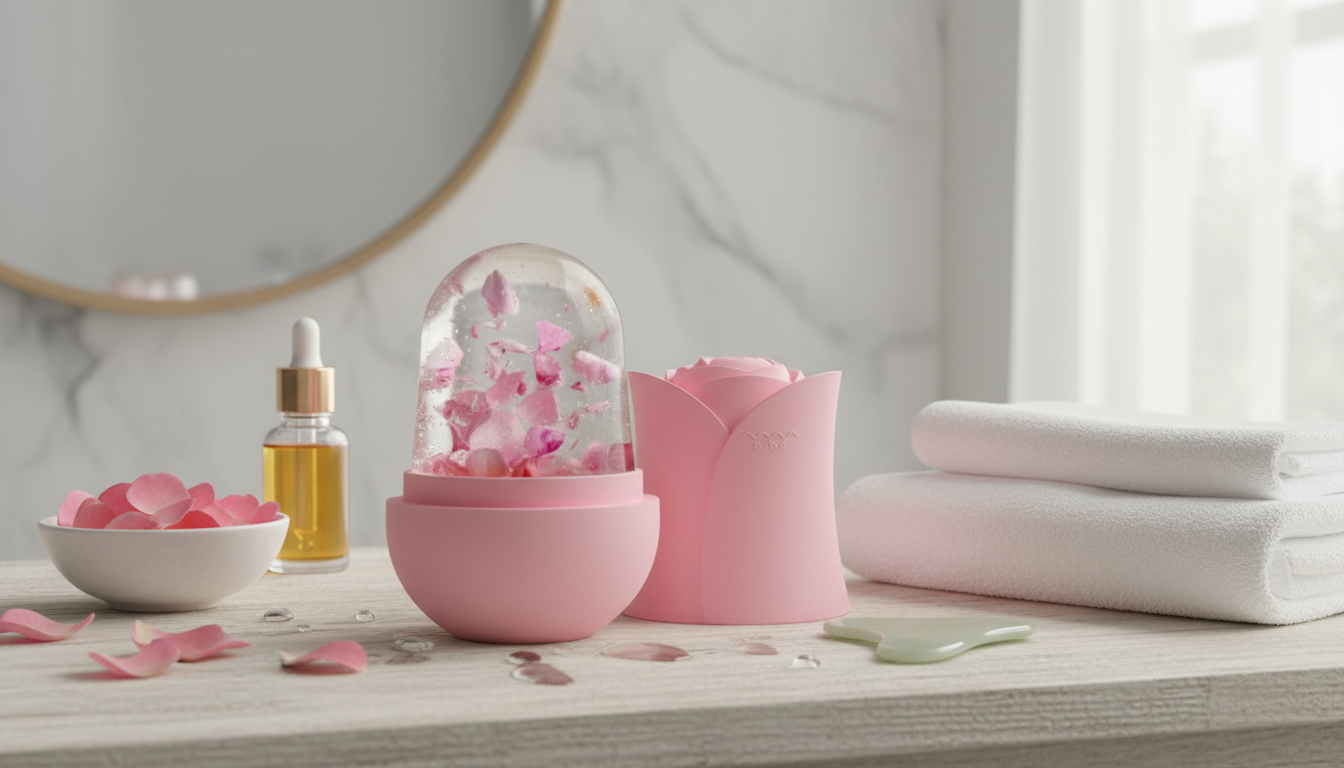
Some people like using temperature-based comfort tools (cooling or gentle warmth) as part of a soothing routine. If that fits your habits, the Ice Warm Therapy Skin Tightening & Anti-Wrinkle Facial Lifting Device can be an at-home option to pair with moisturizer—especially on days when skin simply needs to feel calmer.
For a broader perspective on UV exposure patterns and why everyday protection matters, the World Health Organization’s UV radiation overview offers a useful big-picture summary.
When your routine is busy, a short reference can reduce decision fatigue and make consistency easier. Look for clear steps on daily protection, realistic reapplication strategies, and travel/season adjustments—ideally in a checklist format that pairs naturally with tools you already use (phone reminders, bag essentials, and a predictable morning skincare flow). If you want a compact, routine-first approach, the A Friendly Guide to Outsmarting Sun Damage for a Lifetime (digital download) is designed for quick, repeatable habits.
Yes. UV can still reach skin on cloudy days, and UVA exposure may occur through windows, so protection is a smart default when you’ll be near daylight for extended periods.
Reapply during extended outdoor exposure and after sweating or swimming, following the product label directions. Using enough product and keeping it accessible often matters more than aiming for “perfect” timing.
Mineral formulas use UV filters like zinc oxide or titanium dioxide, while chemical formulas use UV filters that help absorb UV before it affects skin. The best option is the one you’ll wear comfortably and consistently, especially if you’re prone to sensitivity.










Leave a comment