Long, healthy hair growth depends on consistent scalp care, gentle handling, smart product choices, and nutrition that supports the hair follicle. Progress is usually measured in months, not days, so building a routine that reduces breakage while improving scalp and strand health is the fastest path to visible length. Below are the essentials—what actually drives growth, how to structure a simple routine, which nutrients matter most, and how AI-assisted tracking can help personalize care and spot patterns early.
“Growing hair” is only half the equation. Hair length increases when new growth outpaces breakage—many “my hair won’t grow” frustrations are really about split ends, snapping, and friction that keeps length from accumulating.
Hair care becomes clearer when the goal is measurable. Pick one or two priorities and give your routine time to work before changing multiple variables.
| Checkpoint | What to look for | If it’s not improving |
|---|---|---|
| Breakage | Fewer short snapped hairs, less frizz halo, ends look fuller | Reduce heat and friction; add conditioning step; schedule a trim |
| Shedding | More stable amount day-to-day; fewer “surprise” shed days | Assess stress/illness timeline; review wash frequency; consider medical check if sudden |
| Scalp comfort | Less itching/flaking/tenderness; clean feel between washes | Adjust shampoo type; check buildup; consider dandruff treatment |
| Length retention | Ends stay intact; less need to “cut back” damage | Increase protective styling, detangling care, and moisture/protein balance |
A clean, calm scalp sets the stage for comfortable growth and more predictable shedding. Focus shampoo where it belongs: on the scalp.
Long hair is “old hair” at the ends. Those strands have survived more washes, UV exposure, brushing, and heat—so they need protection to stay attached.
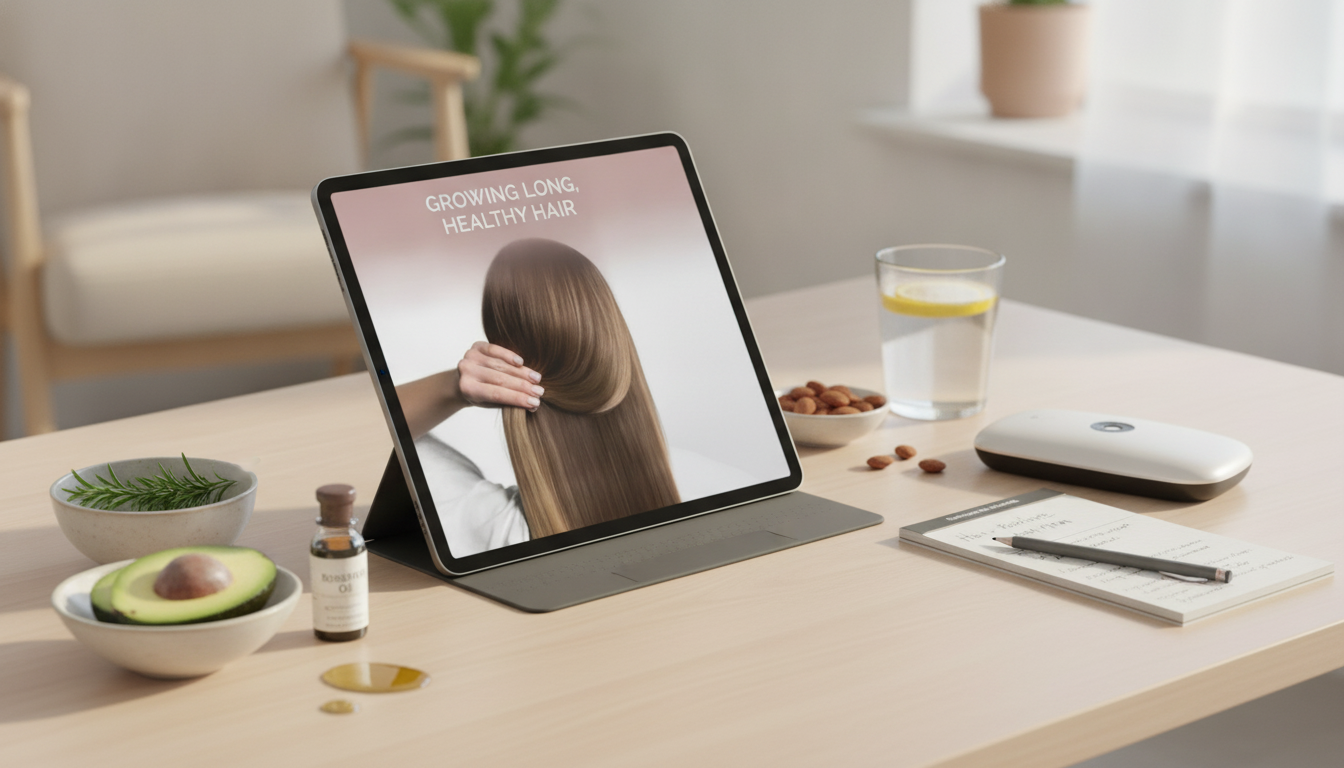
If a structured plan and built-in tracking sounds helpful, Growing Long, Healthy Hair | Ultimate Digital Guide with Expert Tips for Growing Long Healthy Hair, Nutrition, Routine, and AI-Powered Care is designed to reduce guesswork with routines, nutrition notes, and smart logging prompts.
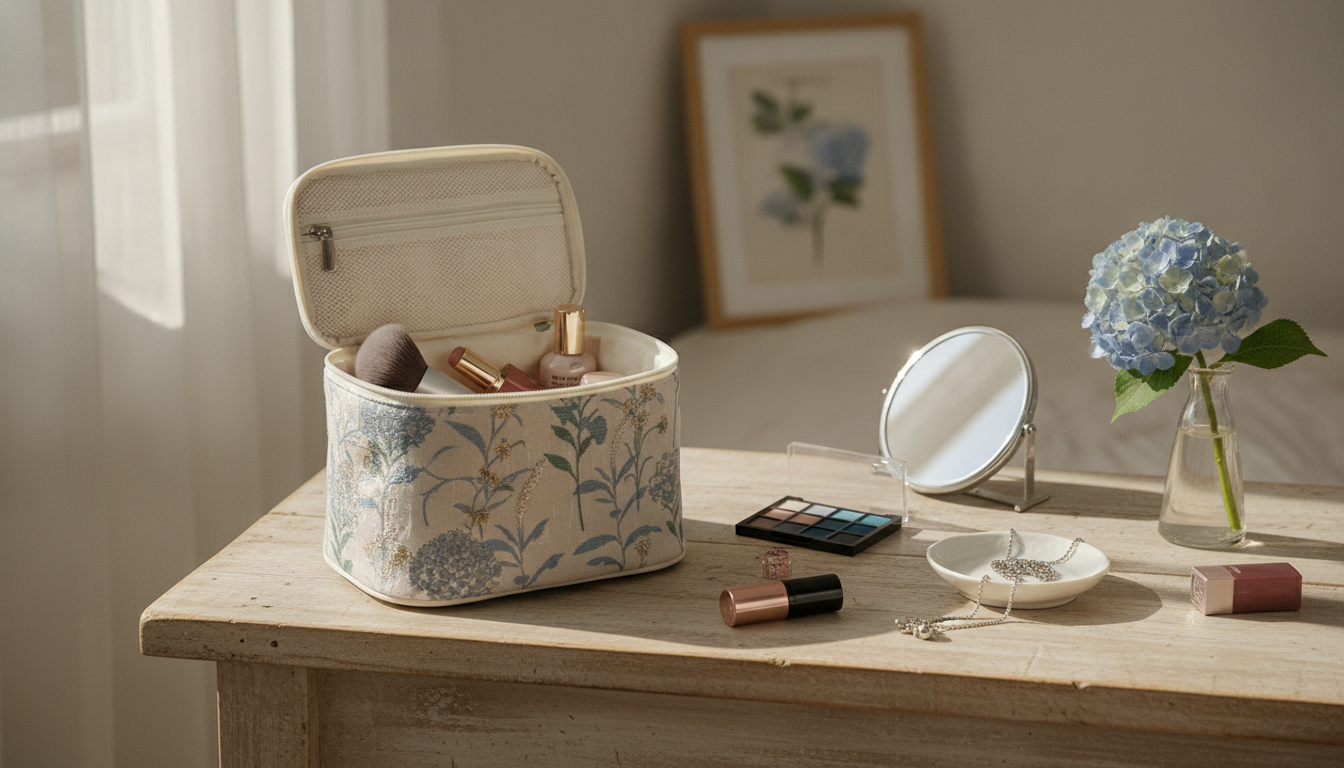
Small environment upgrades can make consistency easier. For example, keeping tools organized reduces rushed styling and unnecessary heat. A storage option like the 360° Rotating Makeup Organizer with Brush Holder & Drawer – Large Capacity can help keep clips, brushes, and accessories easy to reach.
Stress management and circulation-supporting movement can also complement a hair plan. For quick home sessions, Yoga Resistance Bands for Full Body Home Workout – Pilates & Strength Training are a simple way to build a routine you’ll actually repeat.
Many people average around half an inch per month, but growth rate varies with genetics, age, and health. For visible length, controlling breakage and split ends often matters more than trying to “speed up” growth.
They tend to help most when they correct a true deficiency. High-dose supplements aren’t automatically better, so it’s smart to discuss symptoms and possible labs with a clinician if shedding persists.
Use a gentle shampoo focused on the scalp, conditioner on lengths every wash, and a leave-in or heat protectant as needed. Keep styling low-friction (protective styles, gentle detangling) and trim periodically to prevent splits from traveling.











Leave a comment